
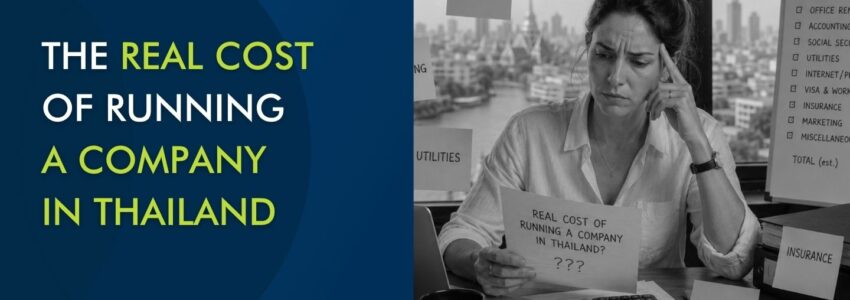
How much does it really cost to run a small company in Thailand every month? If you ask 10 entrepreneurs, you may get 10 different answers. Some will tell you THB 50,000 is enough. Others will insist you need several hundred thousand baht before paying yourself. The problem is that most calculations mix very different things: company registration, registered capital and operating expenses frequently end up in the same budget. Yet once the company exists, the real question becomes much simpler: what is the real cost of running a company in Thailand every month?

It’s one of the questions foreign entrepreneurs ask most when setting up in Thailand. And one of the most misunderstood. Local partner, nominee, Thai shareholder… the terms get mixed up, and so do the assumptions. The result: decisions made too fast, sometimes on the wrong side of the law, and usually at the expense of the project itself.
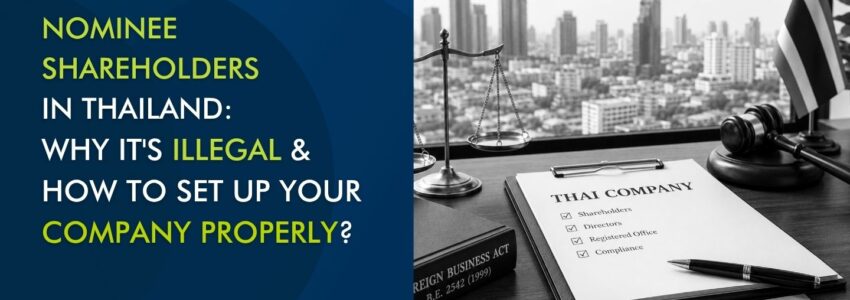
For many foreign entrepreneurs looking to establish a business in Thailand, the question of ownership arises very early in the process. Some investors hear about so-called “nominee shareholder” arrangements, whereby Thai nationals hold shares on behalf of a foreign investor in order to comply, at least on paper, with foreign ownership restrictions.
These arrangements are often presented as common market practice, or as a practical solution for businesses that do not qualify for BOI promotion. Their widespread use, however, should not be confused with legality. Under Thai law, nominee structures are prohibited and can expose both the foreign investor and the Thai shareholder to significant legal consequences.

Thailand’s café culture continues to grow steadily, especially in urban areas such as Bangkok, Chiang Mai, Phuket, and tourist destinations. Independent cafés, specialty coffee concepts, and lifestyle-driven venues remain attractive business opportunities in 2026.
However, for foreign entrepreneurs, opening a café in Thailand requires careful planning. The activity is regulated, foreign ownership is restricted, and several licenses and compliance obligations apply.
This guide explains how to open a café in Thailand in 2026, from ownership structure to licenses, staffing, and long-term legal considerations.
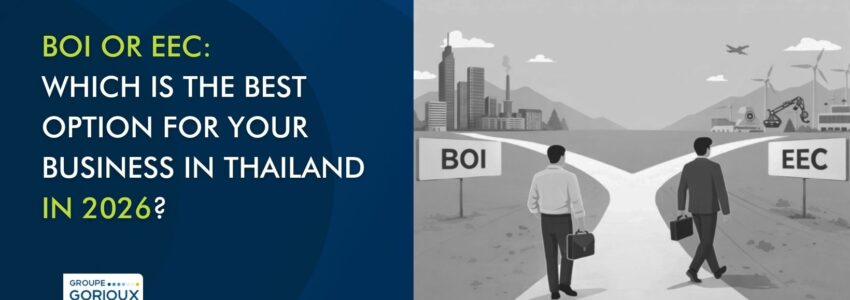
In 2026, Thailand continues to strengthen its position as a key destination for foreign investors in Southeast Asia. Through its long-term economic strategy known as Thailand 4.0, the government actively promotes innovation, high-value industries, and international business development.

In Thailand, company annual accounts and financial closing are mandatory legal requirements for all registered companies. This annual accounting process ensures financial transparency and corporate compliance, under the strict supervision of the Department of Business Development (DBD) and the Revenue Department.

Building a social media and marketing agency in Thailand is an exciting journey, but it also comes with its share of structural and administrative challenges. For foreign entrepreneurs, understanding local regulations, accounting rules and legal frameworks is essential to build something sustainable.

Thinking about investing in Thailand? For many foreign entrepreneurs, buying an existing business is the fastest and most efficient way to enter the Thai market. With its vibrant economy, strategic location in Southeast Asia, and investor-friendly policies, Thailand continues to attract international business owners looking for growth and stability.
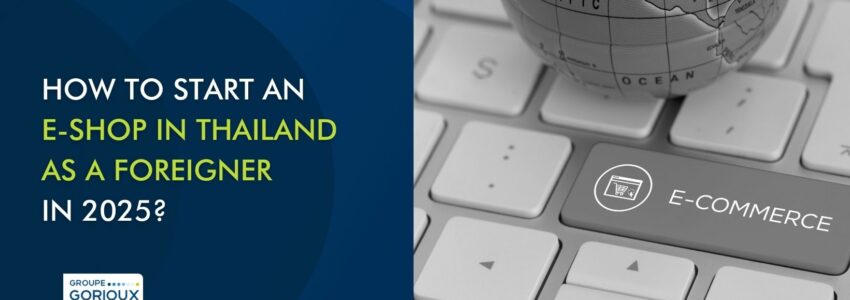
Thailand is becoming a major e-commerce hub in Southeast Asia, attracting foreign entrepreneurs thanks to its growing digital economy. With a connected and tech-savvy population, the country has seen steady growth in online sales supported by increased internet and mobile penetration. Thailand’s strategic location and solid logistics infrastructure also make it a prime destination for e-commerce ventures.

Opening a restaurant in Thailand has become a real business opportunity for foreigners. Whether it’s for the quality of life, the energy of the local food scene or the country’s strong tourism growth, many entrepreneurs see Thailand as a natural place to launch their project. In 2025, the country combines solid infrastructure, consumer demand and economic stability.